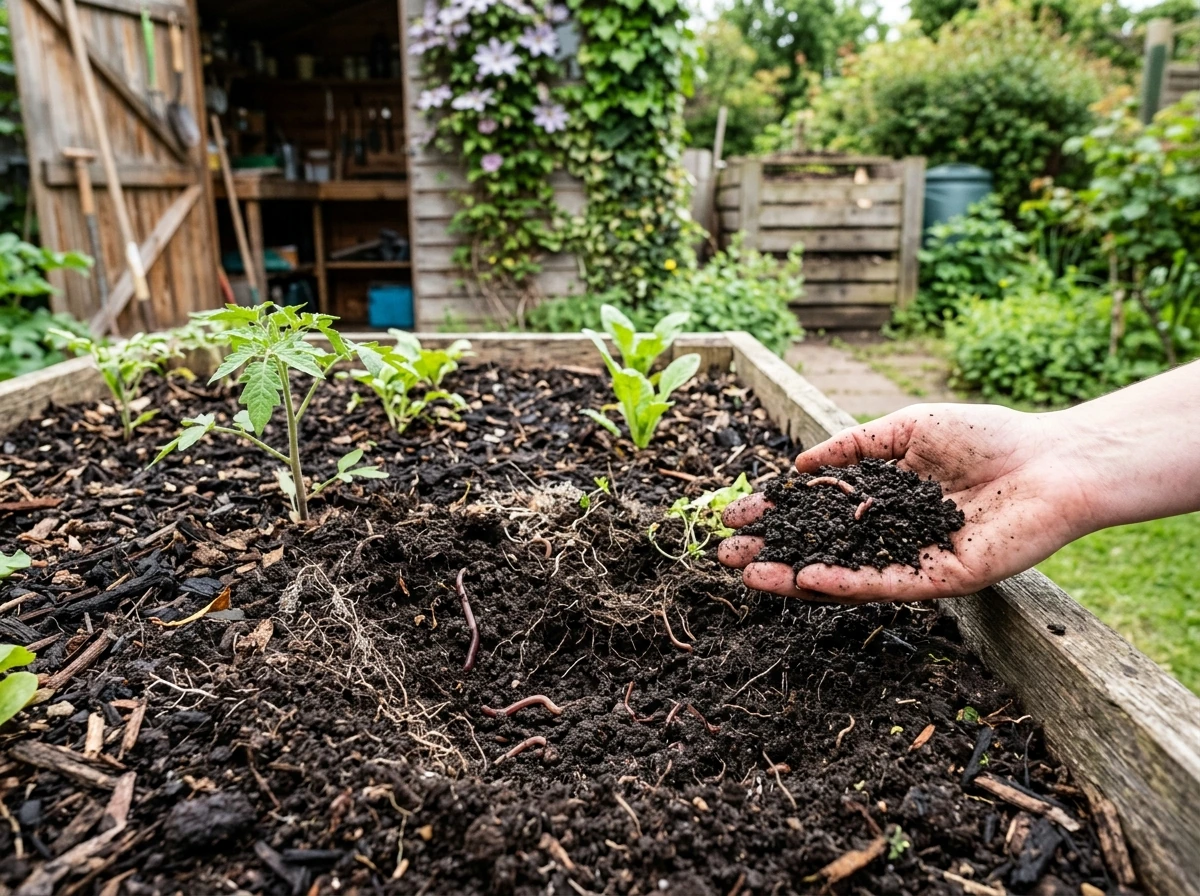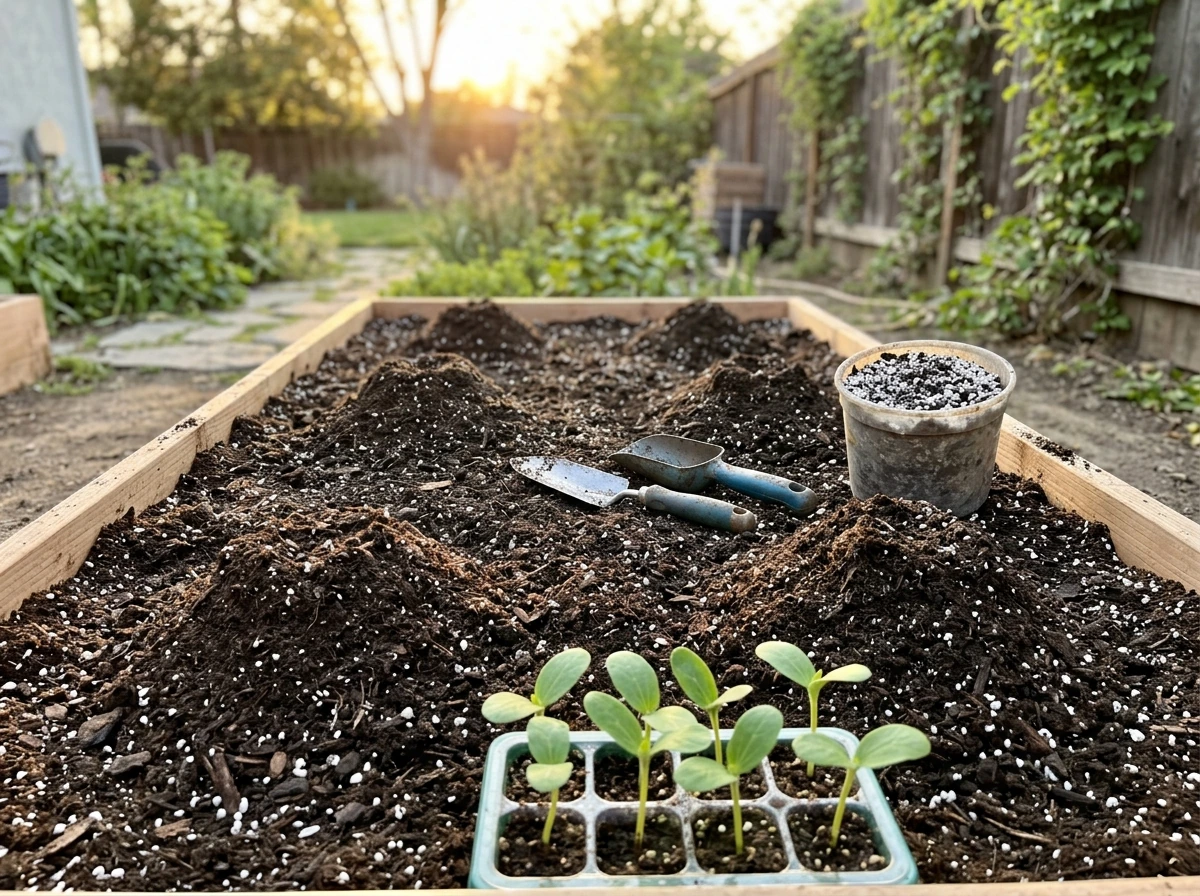
The MySoil soil test kit gives you a lab-grade snapshot of 13 plant-available nutrients plus a precise pH reading, all from a sample you mail in from your own yard. If you've been guessing at fertilizer or wondering why your lawn looks patchy despite regular feeding, a MySoil test is one of the most direct ways to stop guessing and start fixing. This guide walks you through every step: choosing the right kit, collecting the sample correctly, reading the results, amending the soil, and building a repeatable schedule so you're not just reacting but actually improving your soil season over season.
MySoil Soil Test Kit: Fix Your Lawn and Garden Fast

Marcus Holloway
24 Mar 2026
What a soil test kit actually tells you (and what it won't)
A MySoil report covers 13 plant-available nutrients: Nitrogen (as both Nitrate and Ammonium), Phosphorus (P), Potassium (K), Calcium (Ca), Magnesium (Mg), Sulfur (S), Iron (Fe), Manganese (Mn), Boron (B), Copper (Cu), Zinc (Zn), and Sodium (Na), plus a precise pH value. That's a genuinely comprehensive list for a mail-in DIY kit, and it covers everything that's likely to be limiting your plants in a home lawn or garden.
The key word in that list is "plant-available." The test measures nutrients that are actually accessible to plant roots right now, not total nutrient content locked in organic matter or mineral form. That distinction matters: you can have a soil that's technically full of phosphorus but where almost none of it reaches the plant because the pH is off. This is the most common real-world scenario I see, and it's exactly why pH is the most important number on your report. When pH is too low or too high, nutrients that are physically present become chemically unavailable. Iron and manganese, for example, become locked out at higher pH, while phosphorus becomes less available at both extremes.
Here's what the test won't tell you: it's a snapshot, not a forecast. It reflects the current state of your soil at the moment you sampled. It doesn't account for what will happen as organic matter breaks down over the next few months, or how a heavy rain event might leach nitrogen out before your grass even uses it. It also won't measure biological activity (beneficial fungi, bacteria, earthworm populations) or soil compaction, and it won't capture every exotic micronutrient or heavy metal unless you specifically opt for expanded testing. For most home growers, the 13-nutrient MySoil panel is more than enough to diagnose real problems and build a solid amendment plan.
How to choose the right MySoil kit and prep your sample correctly
Picking the right kit for your situation
MySoil offers a few kit configurations, and the right one depends on how many zones you're testing. Each kit covers one composite sample, which represents one growing zone (a lawn area, a vegetable bed, a flower border, etc.). Don't try to combine samples from radically different zones into one test, because the results will average out the differences and hide exactly what you're trying to find.
| Kit Option | Best For | What's Included | Key Notes |
|---|---|---|---|
| Starter Pack (1 Kit, 1 Probe) | Single-zone homeowners, first-time testers | 1 MySoil test kit, 1 stainless-steel probe | Good entry point; covers 13 nutrients + pH with lab analysis and personalized fertilizer recommendations |
| Pro Pack (2 Kits, 1 Probe) | Multi-zone yards, landscapers, serious gardeners | 2 MySoil test kits, 1 stainless-steel probe | Best value if you want to compare lawn vs. garden beds, front vs. back yard, or different bed types |
| Professional Pack (High Volume) | Landscapers, property managers, multi-property users | Multiple kits, bulk pricing | Same 13-nutrient + pH analysis per sample; built for testing many areas at once |
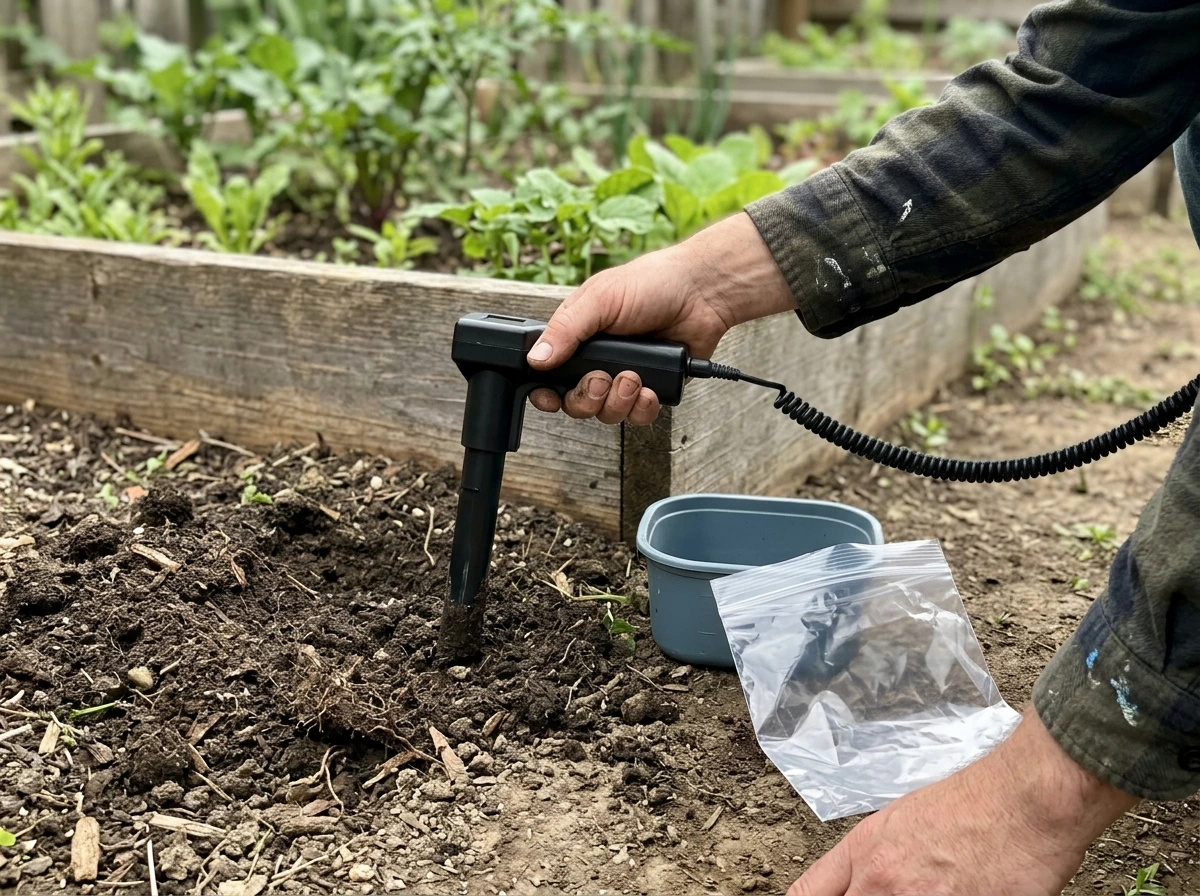
If you have both a lawn and vegetable beds, go with the Pro Pack minimum. Lawn soil and garden bed soil almost always test differently, and the amendment recommendations will diverge enough that you need separate results for each. The stainless-steel probe included in both starter and pro packs is 8 inches tall with a half-inch diameter core, which is specifically designed to pull a consistent soil core at a repeatable depth. It's worth using rather than improvising with a trowel, because consistency in depth is what makes your composite sample accurate.
When to take your sample
Timing affects accuracy more than most people realize. You want to test when the ground isn't frozen, and you need to wait at least 30 to 45 days after your last fertilizer application. MySoil's own guidance puts this at 30 to 45 days; other sources suggest 5 weeks as a practical minimum. The reason is simple: recently applied fertilizer artificially inflates certain nutrient readings, especially nitrogen and phosphorus, and you'll end up with a skewed baseline that leads to bad amendment decisions. Test before you fertilize for the season, not after.
Collecting the sample the right way
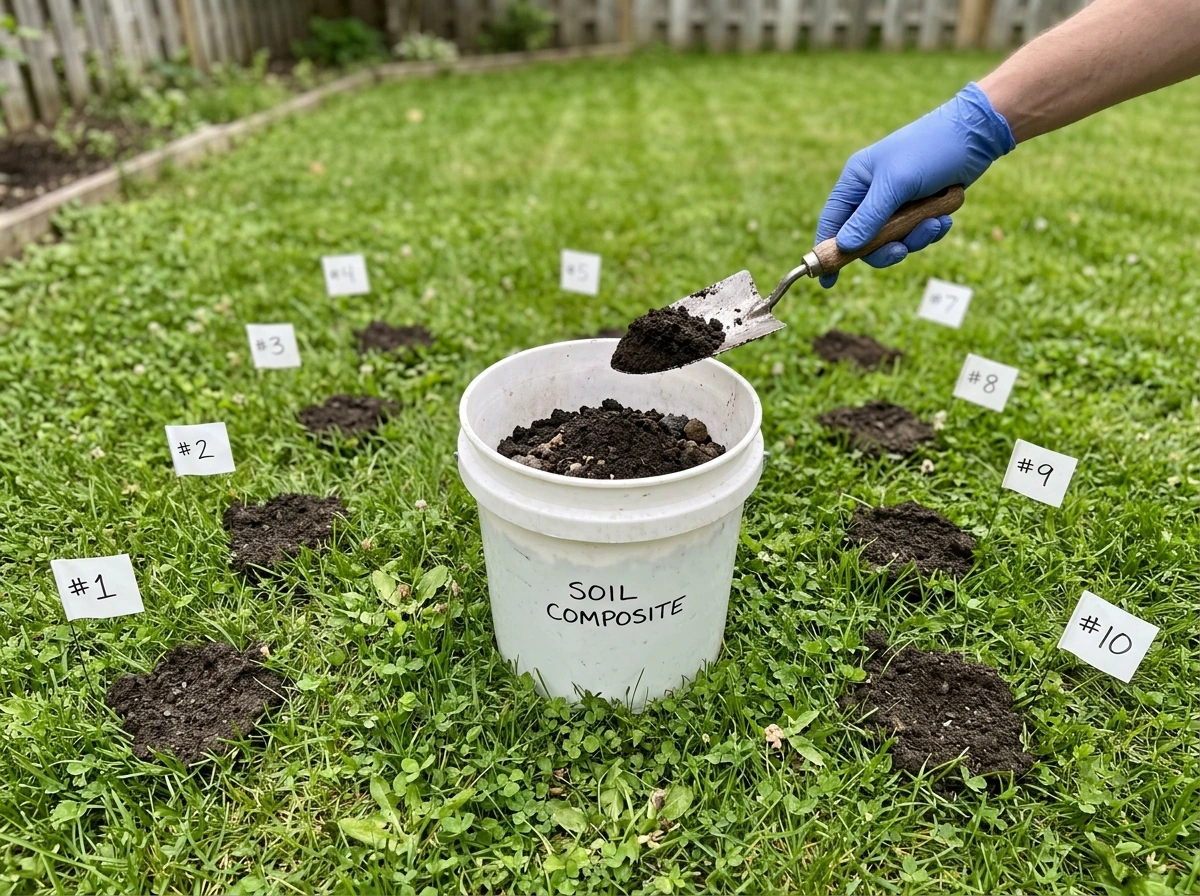
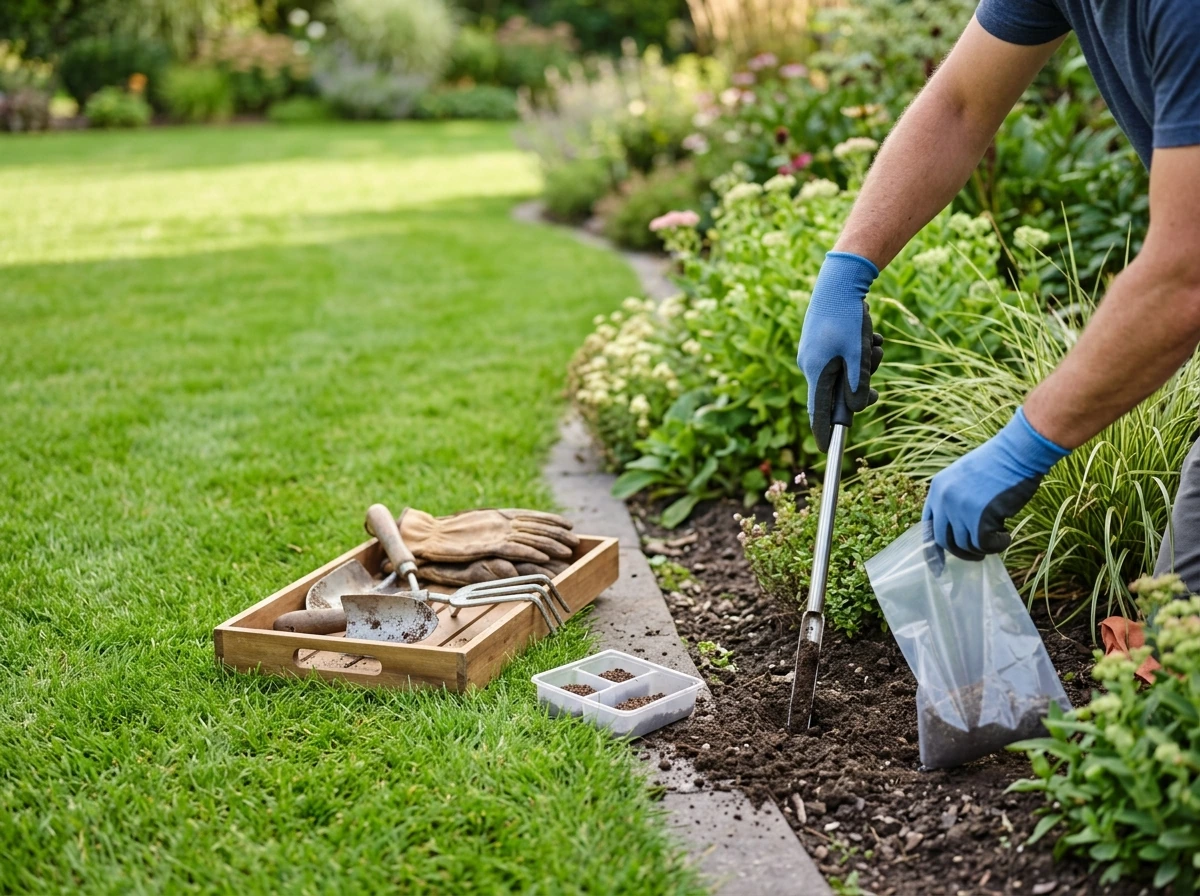
The most common mistake people make is taking one sample from one spot and calling it done. That single scoop might come from a low spot that collects water, or from right next to a downspout, and it won't represent your whole lawn or bed. MySoil's official guidance calls for a minimum of 5 to 7 subsamples per zone, with a preference for 10 to 12 if you want the most accurate composite. Here's the correct workflow:
- Walk your zone in a zigzag or grid pattern and mark 5 to 10 sampling spots spread across the area.
- At each spot, push the MySoil probe straight down to 6 inches (the root zone depth) and pull a clean core.
- Drop each core into a clean plastic bucket or container. Remove any large rocks, roots, or visible debris.
- Once all subsamples are in the bucket, mix them together thoroughly with a clean tool. This is your composite sample.
- Use the provided scoop to add exactly one level scoop of the mixed soil to the MySoil jar. Do NOT dump out the water or remove the capsule already inside the jar. The jar contains deionized water and a nutrient-adsorbing capsule that's part of the analysis process.
- Register your sample online using your MySoil account before mailing it back. Unregistered samples won't return results.
- Mail the sample using the prepaid return label included in the kit. Results typically arrive within 6 to 8 business days from when the lab receives your sample, though processing times can vary by season.
For garden beds specifically, the same 6-inch depth and 5 to 7 subsamples rule applies. Pull cores from different parts of the bed, avoiding the area immediately next to the border or any spot where you recently added fresh compost or mulch on top of the soil. If you have multiple distinct beds (vegetables in one raised bed, perennials in another), treat each as a separate zone and use a separate kit.
Step-by-step: run the MySoil test and interpret the results
Once your results come back through your MySoil online account, you'll see each nutrient listed alongside a value and a rating (typically something like deficient, low, optimal, high, or excessive). MySoil also provides personalized fertilizer recommendations, both organic and synthetic options, based on your specific results. That's genuinely useful and saves a lot of the translation work. But it still helps to understand what you're looking at so you can prioritize intelligently.
Start with pH, always
Before you look at any individual nutrient number, look at your pH. Most lawn grasses perform best between 6.0 and 7.0, with 6.5 being a reliable target for most cool-season and warm-season varieties. Vegetables and herbs also prefer 6.0 to 7.0. Acid-loving plants like blueberries, azaleas, and rhododendrons want 4.5 to 5.5. If your pH is outside the ideal range for your plants, correcting it comes before any fertilizer application, because at the wrong pH, nutrients you add won't be taken up effectively anyway. The most expensive fertilizer in the world is wasted money if your pH is off by even a full point.
Reading the nutrient levels
After pH, look at the macronutrients: nitrogen (N), phosphorus (P), and potassium (K). These three drive the most visible plant responses. Nitrogen deficiency shows up as yellowing starting from older leaves, slow growth, and pale overall color. Phosphorus deficiency often appears as purplish discoloration on leaf undersides and poor root development. Potassium deficiency causes brown leaf margins (scorching) and weak stems. Calcium and magnesium deficiencies are less common in most soils but do show up, especially in sandy or heavily leached soils. Magnesium deficiency specifically shows as interveinal yellowing (the leaf goes yellow between the green veins).
For micronutrients like iron, manganese, boron, copper, and zinc: low readings here are sometimes a soil chemistry issue (usually pH-related) and sometimes a genuine deficiency. If your pH is in range and these still show low, that's when targeted micronutrient amendments are worth considering. If your pH is high and your iron or manganese shows deficient, fix the pH first and retest before adding micronutrient supplements. The deficiency may disappear entirely once pH is corrected.
One flag worth watching: sodium. Elevated sodium in your results can indicate road salt contamination (common in northern yards near roads or driveways) or over-use of certain fertilizers. High sodium compresses soil structure and makes it harder for water and roots to penetrate. It's not fixable overnight, but it's important to know about.
Soil amendments to fix common imbalances
Correcting pH
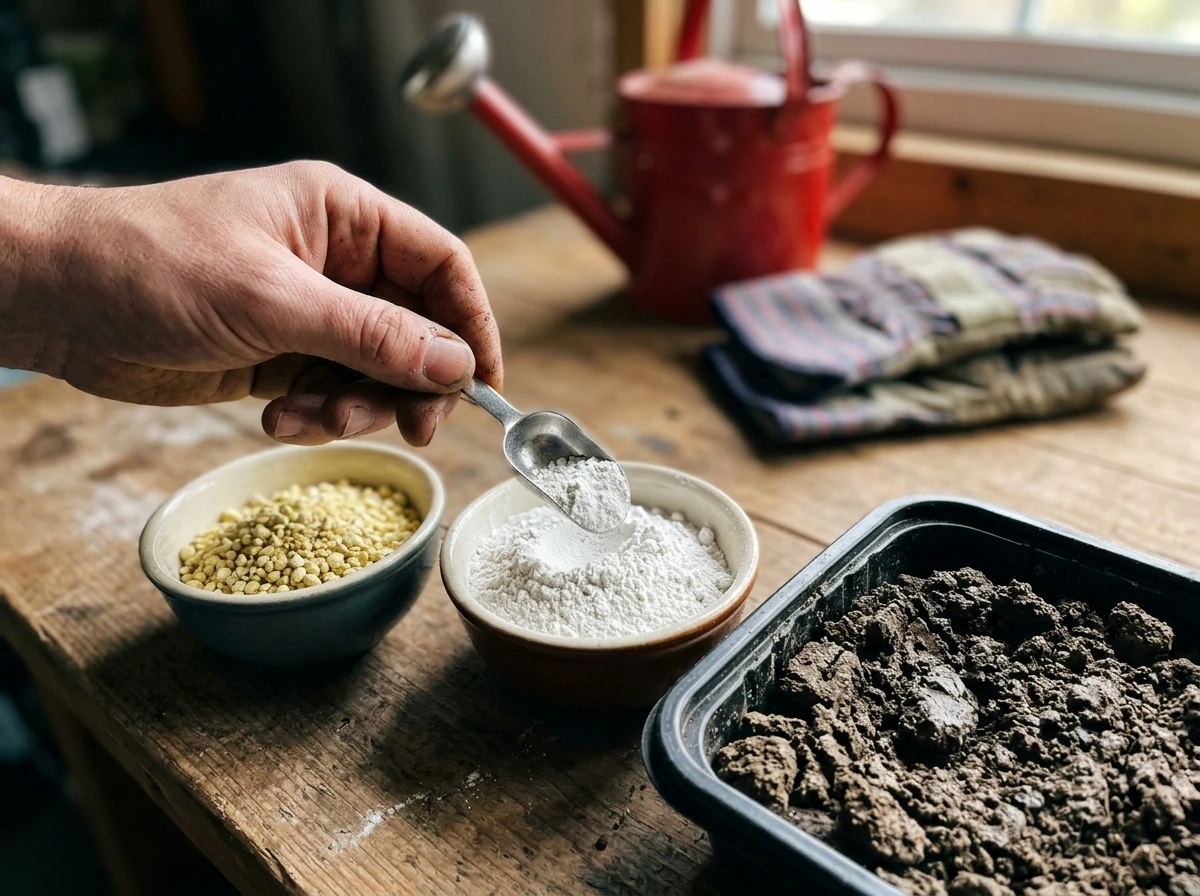
If your pH is too low (acidic, below 6.0 for most lawns and gardens), you raise it with lime. Agricultural limestone (calcitic lime) is the most common choice. Dolomitic lime also supplies magnesium and is worth using if your Mg reading is low as well. The amount you need depends on both how far off your pH is and your soil texture: clay soils require more lime than sandy soils to move the pH the same amount because they have higher buffering capacity. As a rough guide, it typically takes about 50 pounds of ground limestone per 1,000 square feet to raise pH by roughly one unit in a medium-texture soil, but your MySoil recommendations will give you a more precise rate based on your actual results. Fall is the best time to apply lime because it has all winter to work into the soil before spring growing season.
If your pH is too high (alkaline, above 7.0 for most plants, or above 6.5 for vegetables), you lower it with elemental sulfur. Sulfur works more slowly than lime, often taking several months to fully move the pH, so apply it well in advance of when you need the results. Extension guidelines caution against applying more than about 2 pounds of elemental sulfur per 1,000 square feet in a single application to avoid burning the lawn or damaging soil microbial life. If you need a larger correction, split the application across two or three treatments over several months and retest between them.
Fixing nutrient deficiencies
MySoil's personalized recommendations will give you specific product suggestions, but here's a general framework for the most common fixes:
| Deficiency | Organic Fix | Synthetic Fix | Notes |
|---|---|---|---|
| Nitrogen (low) | Compost, blood meal, feather meal, fish emulsion | Urea (46-0-0), ammonium sulfate (21-0-0) | Nitrogen is mobile and leaches fast; apply in smaller, more frequent doses rather than one large application |
| Phosphorus (low) | Bone meal, rock phosphate, compost | Triple superphosphate (0-46-0), starter fertilizers | Phosphorus moves very slowly in soil; work amendments into the root zone, don't just surface-apply |
| Potassium (low) | Greensand, kelp meal, wood ash (also raises pH) | Muriate of potash (0-0-60), sulfate of potash (0-0-50) | Wood ash also raises pH, so check your pH result before using it |
| Calcium (low) | Gypsum, lime (raises pH), crushed eggshells | Calcium nitrate | Gypsum adds calcium without significantly affecting pH; useful when Ca is low but pH is already correct |
| Magnesium (low) | Dolomitic lime (raises pH), Epsom salt | Magnesium sulfate (Epsom salt) | Epsom salt is a quick-acting foliar or soil drench option; dolomitic lime works if you also need to raise pH |
| Iron (low) | Composted leaves, acidifying organic matter | Iron sulfate, chelated iron | Check pH first; iron deficiency at high pH is a pH problem, not a soil iron problem |
| General low organic matter | Compost (2–4 inch top-dress), aged manure | N/A | Organic matter improves water retention, nutrient holding, and microbial life across the board |
A word on overcorrection, which I'll cover more in the final section: more is not better with phosphorus and potassium. Both accumulate in soil and can reach levels that actually interfere with other nutrient uptake. High phosphorus blocks zinc and iron absorption. Excess potassium competes with magnesium and calcium. If your results show these nutrients in the "high" or "excessive" range, the answer is to stop adding them, not to add more of something else to balance them. The soil will gradually normalize over time.
Organic matter: the amendment that helps everything
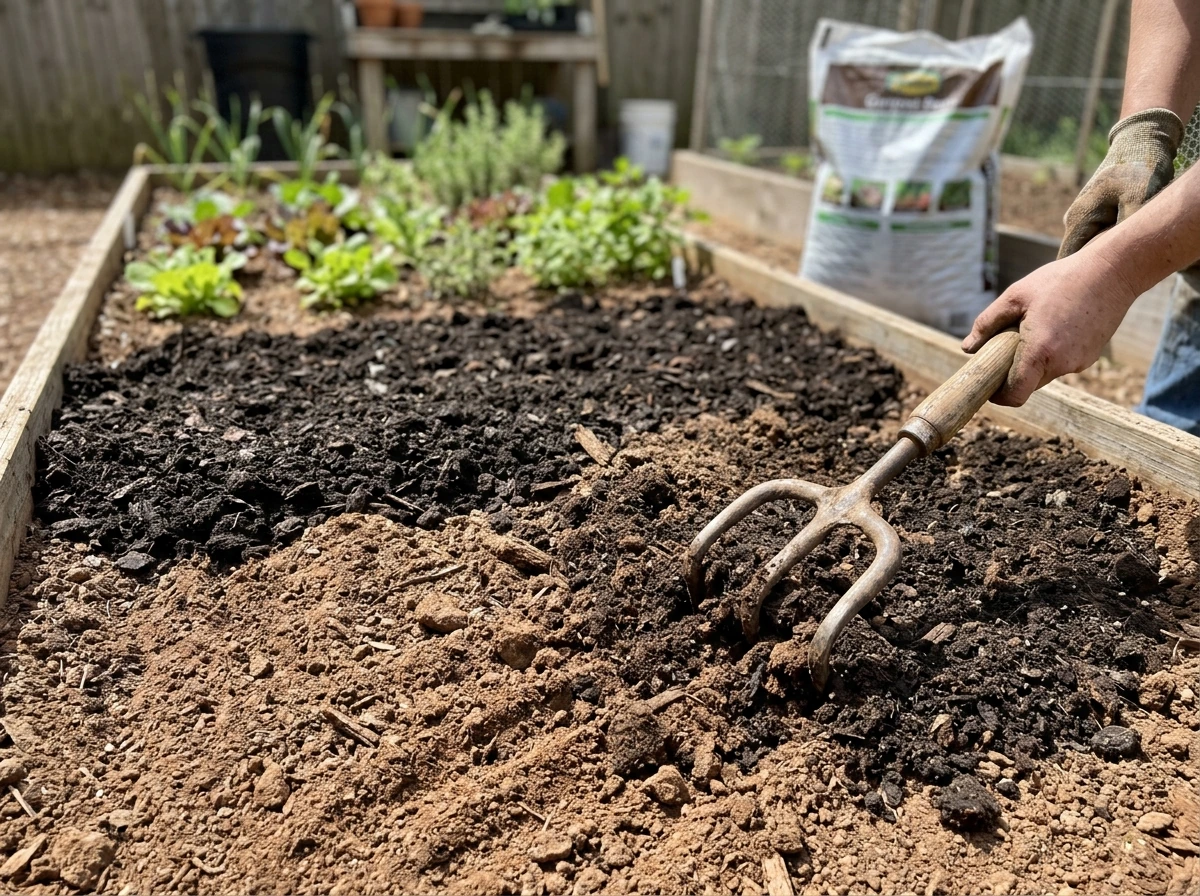
compost is almost always the right move. A 2 to 4 inch top-dressing of quality compost worked into the top 6 inches of garden beds, or used as a topdress on lawns, improves water-holding capacity, feeds soil biology, buffers pH swings, and supplies a slow-release spectrum of minor nutrients. If your MySoil results show low organic matter or multiple moderate deficiencies across several nutrients, compost often addresses them simultaneously without the risk of overshooting any individual nutrient. For lawn applications, a thin quarter-inch compost topdress after aeration is a highly effective annual routine.
Building the best lawn and garden soil plan by plant type
Your MySoil results tell you where you are. This section maps those results to realistic targets and amendment priorities by zone type. Think of this as your translation layer between the numbers and the work you actually do in the yard.
Lawns (cool-season and warm-season grass)
Target pH range: 6.0 to 7.0, with 6.5 as the sweet spot for most turf varieties including Kentucky bluegrass, fescue, ryegrass (cool-season) and Bermuda, zoysia, St. Augustine (warm-season). If your pH is below 5.5, lime correction is priority one because nitrogen uptake drops sharply below that threshold. After pH is addressed, look at nitrogen levels (expect low readings in unfertilized lawns) and potassium (important for drought and disease resistance in turf). A lawn on this plan typically needs lime in fall, a balanced or nitrogen-forward fertilizer in spring, and a potassium-focused fertilizer in late summer to early fall. Do not skip the retest: one application of lime does not mean your pH is fixed.
Vegetable gardens
Target pH range: 6.0 to 6.8 for most vegetables. Brassicas (cabbage, broccoli, kale) tolerate up to 7.0. Sweet potatoes prefer 5.5 to 6.0. Vegetables are heavy feeders and respond dramatically to phosphorus and potassium levels at transplant time and again during fruiting. Low phosphorus in a vegetable bed is one of the most common deficiency findings and leads directly to poor root development and slow early growth. Work bone meal or rock phosphate into the bed before planting if your P reading is low. Nitrogen management in veg gardens is also about timing: heavy feeders like corn, tomatoes, and brassicas need more throughout the season, while root crops like carrots and beets prefer less nitrogen and more phosphorus and potassium. Your MySoil report gives you the baseline; your plant list tells you how hard to push each nutrient.
Flower beds and perennials
Most flowering perennials and annuals do well in the same 6.0 to 7.0 pH range as lawns and vegetables. Exceptions include acid-lovers like azaleas, rhododendrons, gardenias, and blueberries, which need pH in the 4.5 to 5.5 range and require ongoing sulfur applications in alkaline regions to maintain that acidity. If you're growing a mix of standard perennials, your flower bed soil plan looks similar to a vegetable bed plan but with slightly less nitrogen emphasis (too much nitrogen in flower beds drives leafy growth at the expense of blooms) and more attention to calcium and phosphorus for strong stem and root development. Annual color beds benefit from compost-enriched, well-drained soil with balanced NPK; perennial beds can rely more on slow-release organic amendments applied once per season.
Trees and shrubs
For established trees and shrubs, sample the soil in the drip zone (out to the edge of the canopy) and at the 6-inch depth. Ornamental trees and most shrubs prefer pH 6.0 to 7.0. Fertilizer needs for established woody plants are much lower than for lawns or vegetables; the biggest value of testing here is usually identifying pH problems that are causing micronutrient lockout (especially iron chlorosis in trees, which shows as yellowing between leaf veins and is extremely common in regions with alkaline soils). If iron shows deficient and pH is above 7.0, sulfur to lower pH is your primary correction, not iron supplementation. That said, chelated iron can provide a faster cosmetic fix while the pH correction takes effect over months.
Action plan: retesting, timing, and avoiding overcorrection
Build a simple amendment timeline
Here's a practical timeline that fits the MySoil workflow from first test to first retest:
- Week 1: Take your MySoil sample. Register it online and mail it in. Results come back within about 6 to 8 business days from lab receipt.
- Week 2 to 3: Review results in your MySoil dashboard. Identify your top three priorities: pH correction first, then macronutrient deficiencies, then micronutrients.
- Week 3 to 4: Apply pH corrections (lime or sulfur) and any critical macronutrient amendments (compost, organic pre-plant fertilizers). Do not apply everything at once; stagger if multiple amendments are needed.
- Week 4 to 6: Apply follow-on fertilizer if needed, timed to plant growth stages (pre-plant for beds, actively growing season for lawns).
- 6 to 8 weeks after initial amendments: Evaluate results visually. MySoil's own DIY lawn guidance specifically cites 6 to 8 weeks as the window for assessing whether pH or nutrient adjustments are working.
- 3 to 6 months after lime or sulfur application: Retest pH specifically to verify the correction is holding or progressing.
- Annually or bi-annually: Full MySoil retest to track changes and update your amendment plan.
Avoiding overcorrection: the mistake that sets you back
Overcorrection is a real and frustrating problem. The most common version I see is people applying lime, not seeing immediate results, and then applying more lime before retesting. pH moves slowly in soil, especially in clay-heavy or high-organic soils, and it takes weeks to months for lime or sulfur to fully equilibrate. Adding more before the first application has finished working almost always leads to overshooting. The same applies to phosphorus and potassium: because they don't leach easily, excesses accumulate and can suppress other nutrients. Never apply any amendment in excess of what your MySoil report recommends, and always wait for the recommended interval before adding another round.
The 30 to 45 day wait before retesting after fertilizer application is not just a MySoil guideline, it's basic soil chemistry. If you retest too soon after an application, you'll read the amendment you just added, not the actual plant-available baseline, and you'll make decisions on bad data. Patience between applications and tests is genuinely the hardest part of a good soil management program, and it's the part most people skip.
Making your soil program repeatable
Once you've run your first MySoil test and made your first round of amendments, you have a baseline. The goal from here isn't perfection on every single nutrient, it's trending in the right direction year over year, which helps you build the best soil to grow plants over time, including the best soil to grow flowers over time. Annual testing is worthwhile for vegetable beds and lawns that receive regular fertilizer inputs; every two years is usually fine for perennial beds and established trees and shrubs that aren't showing problems. Each time you test, compare the results to your previous report. If nitrogen is still low but phosphorus has climbed into the high range, that tells you exactly what to adjust in your fertilizer selection for the coming season. You're building a record, not just reacting to a single data point.
If you're growing cannabis or specialty crops where soil chemistry has a direct and measurable impact on yield and quality, this systematic approach to pH and nutrient management matters even more. The principles in this MySoil workflow apply directly to outdoor soil grows and can complement the insights covered in guides on the best grow soil for specific plant types. The test-amend-retest cycle is the same whether you're growing tomatoes, turf, or anything else that lives in the ground.
FAQ
Can I use the MySoil test kit results to fix multiple zones, like lawn areas and a vegetable bed, with one amendment plan?
Only if the zones truly share the same soil. MySoil composite samples are meant to represent one growing zone, and results often average out meaningful differences. If your lawn and garden beds differ in texture, past amendments, or plant history, use separate kits (or at minimum, separate zones) so you do not overcorrect one area based on the other.
How do I decide whether to test again sooner than the recommended 30 to 45 days after fertilizing?
Test sooner only when you are correcting pH or making a change to an issue that is not fertilizer-related, such as heavy contamination (for example, suspected road salt) or after a major soil disturbance. For typical fertilizer adjustments, retesting earlier usually measures the amendment you just applied rather than the baseline, and that leads to wrong next steps. If you need fast feedback, consider a second test for a different nutrient-limiting area instead of shortening the wait for the same zone.
What if my MySoil report shows low nutrients but my plants look mostly fine?
That can happen when symptoms are mild, when the nutrient is not limiting yet, or when plants are drawing from reserves in the soil or starting organic matter. Use the ranking, then cross-check with pH first (since pH can cause lockout without dramatic visible symptoms). If pH is in range and only one or two nutrients are slightly low, focus on the smallest correction first and watch plant response over the next growth cycle rather than stacking multiple amendments.
Should I correct pH immediately even if my soil test shows multiple nutrient deficiencies?
Yes, pH corrections generally come first because they affect how plants access most nutrients, especially iron, manganese, and phosphorus. However, if your report shows severe issues, follow the recommended order and application rate from the kit results. After pH correction, prioritize the remaining most limiting nutrients, and retest rather than trying to fix everything at once.
What do I do if my sodium is high, but I also want to fertilize for a lawn or garden?
High sodium often requires changing inputs and leaching strategy before expecting fertilizer to perform well. Reduce or avoid sodium-containing products (some fertilizers, water sources, or de-icing carryover), improve drainage if water sits, and plan for deeper watering that helps move salts below the root zone. Use the sodium result as a long-term signal, then retest after the next seasonal cycle rather than immediately after a fertilizer change.
Why does my phosphorus reading stay high or “excessive” year after year, and what should I change?
Phosphorus often accumulates because it does not leach like nitrogen. If your report shows high or excessive P, stop adding P-heavy amendments and shift to nitrogen and potassium based on your needs. Also check for hidden phosphorus sources, like bone meal, starter fertilizers, or compost with high P, and reduce those inputs until your retest shows the level trending down.
Can I use lime or sulfur amounts from the report exactly, or do soil type and application method require adjustments?
Follow the kit recommendation as the primary guide, since it is based on your measured pH and soil behavior. The application method still matters: incorporate or work amendments into the recommended depth when the product is meant to be soil-incorporated, and avoid surface-only applications for aggressive pH changes if the label does not support it. Clay soils can respond slowly, so expect gradual movement and do not “chase” the pH with additional applications before the equilibrium window.
Is compost still recommended if my MySoil report shows “high” levels of some nutrients like phosphorus or potassium?
Compost is usually fine, but it depends on the nutrient that is already excessive. If P or K is high, use compost primarily as a soil-structure and biology amendment, and avoid adding other supplements that push the same nutrients. Keep the topdressing moderate (for example, an annual thin layer) and rely on your report to guide whether to add additional nutrient-specific products.
How should I sample correctly if my bed has areas that received fresh compost or mulch recently?
Avoid sampling right next to areas where you recently topped with compost, mulch, or amendments. Those spots can spike certain nutrients and skew the composite. Sample the “representative” soil of the zone, then if you want data for the freshly amended patch, treat it as a separate zone and test separately.
For trees and shrubs, is drip-zone sampling enough, or should I test deeper than 6 inches?
For most common nutrient and pH issues, the 6-inch depth in the drip zone gives a useful baseline for plant-available nutrients. Testing deeper can be helpful in special cases like persistent drought stress, compacted subsoil, or unusual root restriction, but it is not typically necessary for the MySoil workflow aimed at correcting surface chemistry and root-zone access.
If micronutrients like iron are low, should I always add a micronutrient supplement?
Not always. If pH is outside the ideal range, the micronutrient may be present but unavailable due to lockout. In that situation, correcting pH first is the highest-leverage move, then retest. Supplements such as chelated iron can provide faster cosmetic improvement, but they should not replace pH correction when the chemistry is the root cause.
How often should I test different parts of my property to stay on track without overspending?
A practical approach is annual testing for lawns and vegetable beds that receive regular fertilizer inputs, and every two years for many perennial beds and established trees or shrubs that are not showing chronic issues. If you change practices significantly, like switching fertilizer type, applying a large lime or sulfur adjustment, or rebuilding soil, test again in the recommended cycle after the effects should have equilibrated.